nebulae.galaxies.im
A hole in the sky, and a neon sign
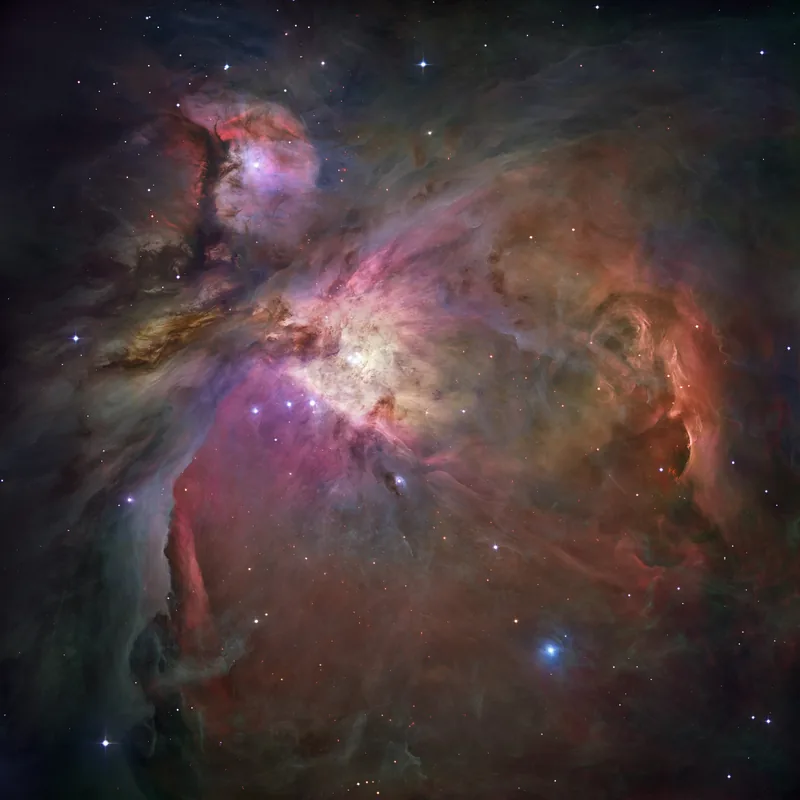
Nebulae, NASA’s decoding page says, are “giant clouds of gas and dust in space.” They can be nurseries for new stars, or expanding clouds that mark where stars have died. Official pages then divide them by what the clouds are doing.
Which kind of nebula?
Pick a story. Official pages divide nebulae by what the clouds are doing: glowing on their own, shining by borrowed light, hiding what is behind them, or marking where a star has died.
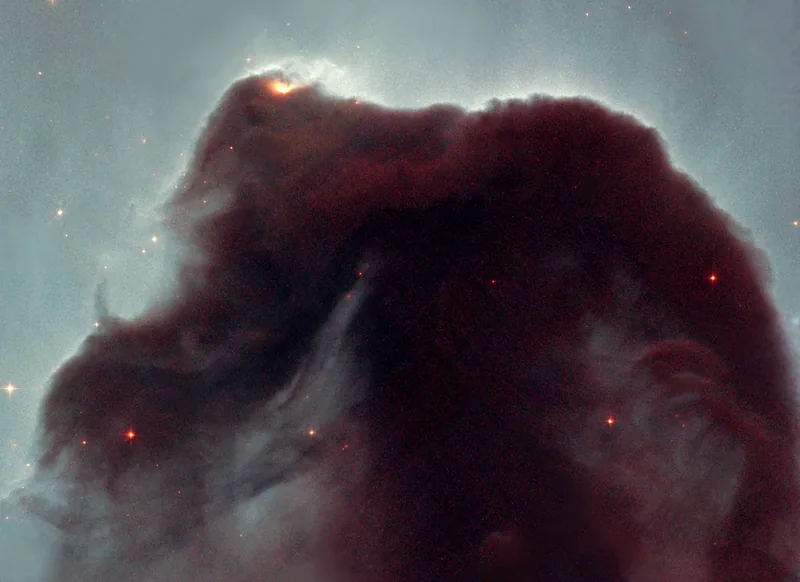
Some glow like “a neon sign hanging in a shop window.” Some only shine because a nearby star lights the dust, “a bit like seeing a streetlamp illuminate the fog around it.” Some “don’t emit or reflect light, but block light coming from behind them.” William Herschel, in the late 1700s, called those seemingly empty spots “a hole in the sky.”[source][source]
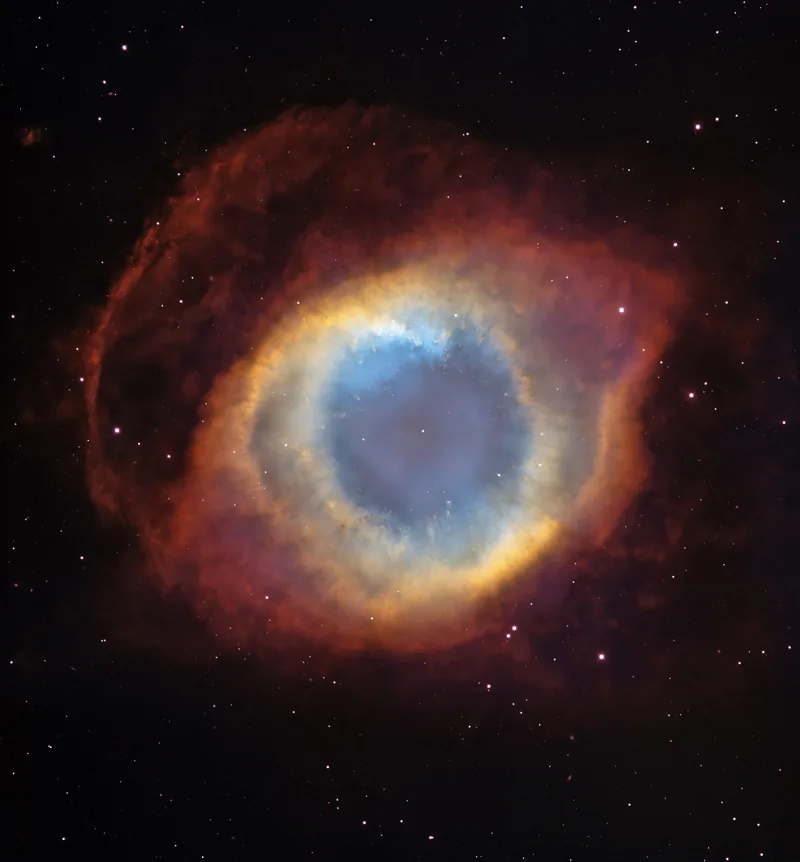
And some keep a name they have not earned. “Some of the fuzzy objects resembled planets, and these earned the name “planetary nebulae.”” Today, NASA writes, “these nebulae keep the name, but we know they have nothing to do with planets.”[source]
Those clouds sit in a thinner sea than it looks. Official wording says the interstellar medium “can have a density as low as 0.1 atoms per cubic centimeter,” against about 10 million trillion molecules in a cubic centimetre of air. Our own Sun, the decoding page says, “got its start in a stellar nursery,” and is expected, much later, to leave a planetary nebula of its own.[source][source]
This site is a desk of those official kinds, and of a few stories that stick: a trillion-mile tunnel, a supernova bright enough for daylight in 1054, a cloud just visiting the Pleiades, and a black rectangle in a famous photograph that is only a gap in the camera.
Enjoyed this nebula desk?
No pop-ups. No intrusive advertising. Just interesting stuff. A little support helps the next galaxies.im site get built.